
21
Jan
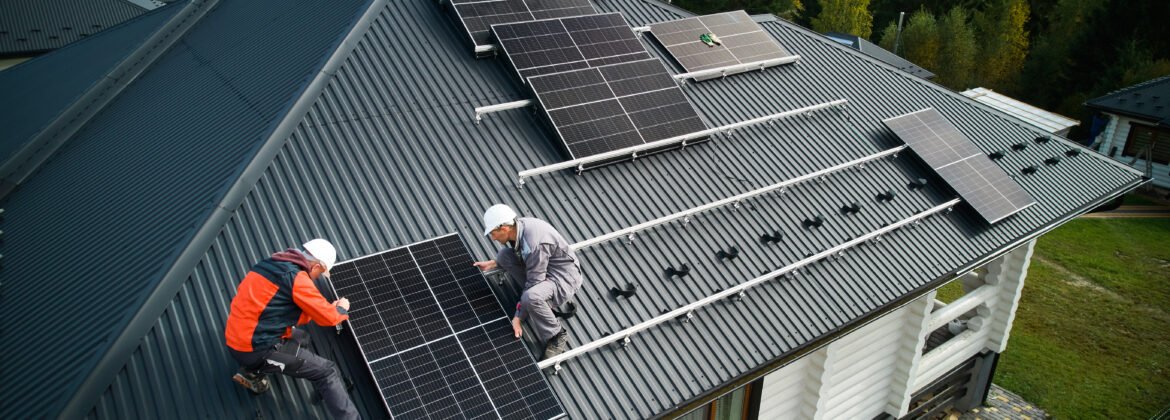
Our installation process is transparent and customer-friendly. Step 1: Free Consultation We understand your energy needs and inspect your rooftop. Step 2: System Design Our engineers design a customized solar system based on usage and space. Step 3: Quotation & Approval You receive a clear cost estimate with no hidden charges. Step 4: Government Approvals We handle subsidy paperwork and permissions. Step 5: Installation Certified technicians install high-quality branded components. Step 6: Testing & Commissioning We test the system and ensure smooth operation. Step 7: After-Sales Support We provide maintenance, monitoring, and technical support. Our goal is to make your solar journey simple, safe, and rewarding.
21
Jan
To promote renewable energy, the government offers subsidies for rooftop solar installations. These subsidies reduce installation costs and make solar more affordable for homeowners. Currently, residential users are eligible for subsidy based on system capacity. The subsidy is directly credited to the customer’s bank account after installation and approval. Benefits of Subsidy: Eligibility: Process: We assist customers in documentation and application, ensuring a smooth subsidy process without hassle.

21
Jan
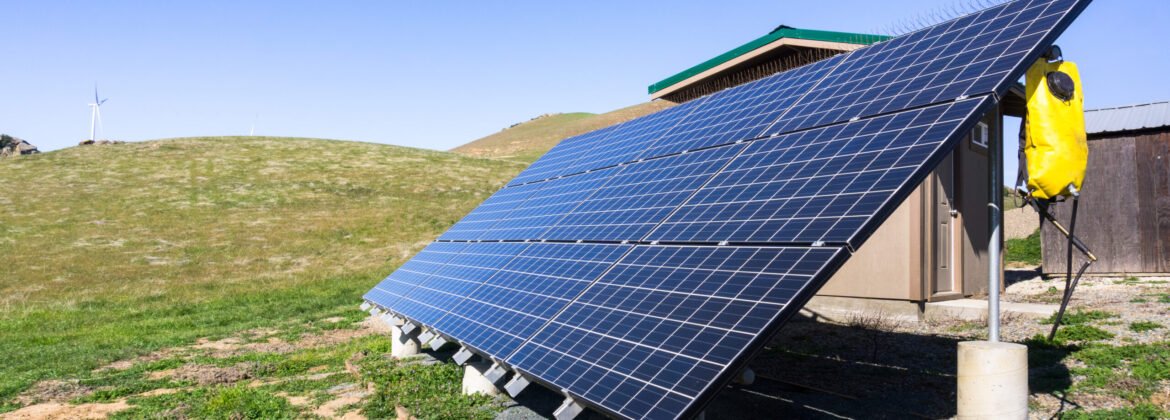
Understanding the different types of solar systems helps you make the right choice based on your energy needs. On-Grid Solar System This system is connected to the electricity board. It allows you to use solar power during the day and grid power at night. Excess electricity generated is sent back to the grid through net metering, earning credits on your bill. Best for: Urban homes and businesses with stable power supply.Benefits: Lower cost, no batteries required, reduced bills.Limitation: No power during outages. Off-Grid Solar System This system operates independently with battery storage. It stores excess power for use at night or during power cuts. Best for: Remote areas with no reliable grid.Benefits: Full energy independence, power backup.Limitation: Higher cost due to batteries. Hybrid Solar System This system combines on-grid and off-grid features. It allows grid connectivity along with battery backup. Best for: Areas with frequent power cuts.Benefits: Power backup + net metering benefits.Limitation: Slightly higher cost. Choosing the right system depends on budget, electricity usage, and location. Our experts analyze your needs and recommend the best solution.
21
Jan
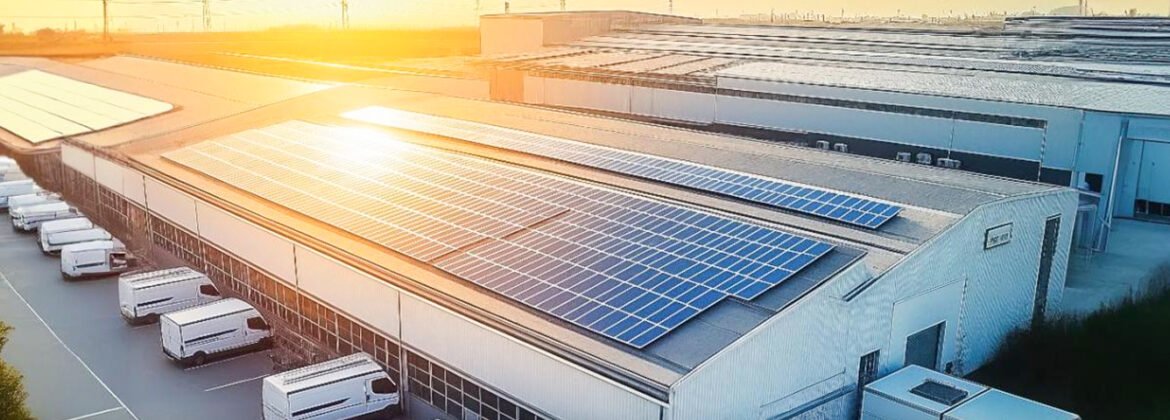
Rooftop solar power has emerged as one of the most reliable and cost-effective energy solutions in today’s world. With rising electricity tariffs and increasing power demand, switching to solar is no longer just an environmental choice—it’s a smart financial decision. By installing rooftop solar panels, you generate your own electricity using sunlight, a free and renewable resource. This significantly reduces your dependency on the power grid and lowers your monthly electricity bills. Over time, the savings generated can recover your initial investment, making solar a high-return solution. Apart from financial benefits, solar energy contributes to a cleaner environment. Traditional electricity generation relies heavily on fossil fuels, which release harmful carbon emissions. Solar power helps reduce your carbon footprint and supports global efforts to fight climate change. Rooftop solar systems are also known for their durability and low maintenance. With quality components and professional installation, solar panels can last over 25 years. Regular cleaning and basic inspections ensure optimal performance. For businesses, solar energy enhances brand reputation. Companies using renewable energy are seen as responsible and forward-thinking, which builds trust among customers and partners. Choosing rooftop solar means investing in long-term savings, energy independence, and a sustainable future.


